

All cancers begin with pathology testing, which forms the foundation of diagnosis and treatment planning. Pathology helps determine key features of the cancer, including:
Pathology testing answers the essential question:
“What is this cancer?”
Precision medicine testing builds on this foundation by helping answer the next important question:
“What is driving this cancer, and how can treatment be tailored accordingly?”
Rather than relying solely on where a cancer began or how it appears under the microscope, precision medicine incorporates information from a tumor’s molecular profile to help guide treatment decisions.
Just as every person has a unique fingerprint, cancer cells can carry their own distinct molecular “signatures.” These signatures – called molecular biomarkers – provide important insight into how a cancer behaves. This approach recognizes that cancers with similar appearances can behave very differently based on their underlying biology.
Precision medicine supports a more personalized treatment plan based on the unique molecular profile of a tumor – helping identify targeted therapies, immunotherapy options, and potential clinical trials that may be appropriate for a patient’s specific cancer.
Tumor biomarker testing and precision medicine approaches are now recognized as standard of care at many National Cancer Institute (NCI)–designated cancer centers, where they help guide treatment decisions based on the unique biology of each tumor.
MADP is committed to expanding access to these advanced testing approaches – working to ensure that what is standard at leading cancer centers is available to patients across all zip codes, including those receiving care in community and rural oncology settings.
Just as every individual has a unique fingerprint, cancer cells can possess their own distinct ‘fingerprints or ‘signatures’. Molecular testing identifies these unique ‘molecular signatures’ specific to your cancer.

Comprehensive genomic profiling (CGP) early in a cancer diagnosis can play an important role in understanding the full biological picture of a tumor. CGP is an advanced form of tumor biomarker testing that analyzes a cancer’s DNA across a broad panel of genes – often more than 300 genes – to identify genomic alterations that may be driving the cancer.
By evaluating many genes at once, CGP provides a more complete picture of the tumor’s underlying biology. This approach differs from more limited “hot spot” testing, which focuses on a small number of common mutations and may miss other clinically relevant changes.
Early in your diagnosis, CGP testing can help inform more personalized treatment decisions and support consideration of all appropriate options from the start. These may include targeted therapies, immunotherapy approaches, and potential clinical trial opportunities – based on your tumor’s unique molecular profile, or what MADP refers to as your “cancer fingerprint.”
The MADP Circle of Hope® Cancer Support Hub offers a supportive list of testing options and specialized laboratories that you can share with your healthcare team to help guide informed conversations about your care _🔐 Register for Secure Login to MADP Circle of Hope®.
To better understand what cancer is, why genomic testing matters, and common treatment options, we invite you to view this helpful educational video provided by our partners at Foundation Medicine. ▶️ Watch Video

A cancer diagnosis can feel overwhelming. Information may arrive quickly, decisions may feel urgent, and it may not always be clear where to begin. While your oncology team brings deep medical expertise and experience, you remain an important member of your care team.
Taking an active role in your care does not mean becoming a medical expert. It simply means having access to the information you need to feel confident that the best possible options are being considered to treat your cancer.
Patient advocacy begins with knowledge. Learning about your diagnosis, recommended testing, and potential treatment options can help you ask informed questions and better understand how care decisions are made.
Cancer care is advancing rapidly. New testing technologies and targeted therapies continue to expand treatment possibilities. Even within the medical community, it can be challenging to stay current with every emerging development. Patients who ask questions and engage in their care can help ensure that important testing and treatment options are thoughtfully considered.
Tumor biomarker testing and precision medicine approaches are standard of care at major cancer centers. Discussing these testing options with your healthcare team may help determine whether they are appropriate for your specific diagnosis.
Open communication early in the process — ideally before biopsies or additional procedures are performed — can also help ensure that tissue samples are handled and preserved in ways that allow for molecular testing when needed.
Understanding your diagnosis, asking questions, and participating actively in your care can make a meaningful difference. No one is more invested in your survivorship, quality of life, and long-term health than you.
We welcome you to 📘 Read MADP Patient Advocacy Note: Having an Active Role in Your Cancer Care Matters [HERE], designed to help patients better understand their role in the decision-making process and support informed conversations with their healthcare team.
“When patients understand why certain tests are recommended and how results may inform treatment planning, they are better equipped to participate meaningfully in important discussions about their care.”
~ Allison and Aubrey
Cancer Survivor and Advocate

A cancer diagnosis can feel overwhelming. MADP Circle of Hope® is here to support you every step of the way – providing trusted, evidence-based patient support resources to help you navigate precision medicine and make informed decisions about your care.
Our support includes:
Education on tumor biomarker testing and precision oncology.
Guidance on important questions to ask your healthcare team.
Resources of leading molecular testing laboratories in the U.S.
Navigation tools to help you better understand integrative cancer care specialists.
We are committed to ensuring that patients and families have access to the knowledge, resources, and support needed to advocate for the most informed and personalized care possible. We invite you to 📘 Read MADP Circle of Hope Letter To Newly Diagnosed Cancer Patients _ [HERE] created to provide insight and guidance as you navigate your cancer journey.
If you are interested in receiving a copy of our MADP Circle of Hope® Navigation Support Guide for Cancer Patients, please reach out to us directly at info@microbiomeDP.org. A member of our support team will be happy to assist you.
Precision medicine is reshaping cancer care — creating new opportunities for earlier detection, more targeted treatments, and improved outcomes. By understanding each tumor’s unique biology and supporting patients with trusted educational resources, we move closer to a future where cancer care is more precise, more comprehensive, and more effective.
Hope Through Knowledge.
Precision Care That Saves Lives.
When facing a cancer diagnosis, individuals and families are often asked to process overwhelming information and make important decisions in a very short time.
At MADP, we understand the weight of this moment – the uncertainty, the urgency, and the emotions that come with it. You are not expected to navigate this journey alone.
We are here to help support you with trusted information, guidance, and resources – so you can move forward with greater clarity – and greater hope.
~ MADP Alliance for Disease Prevention
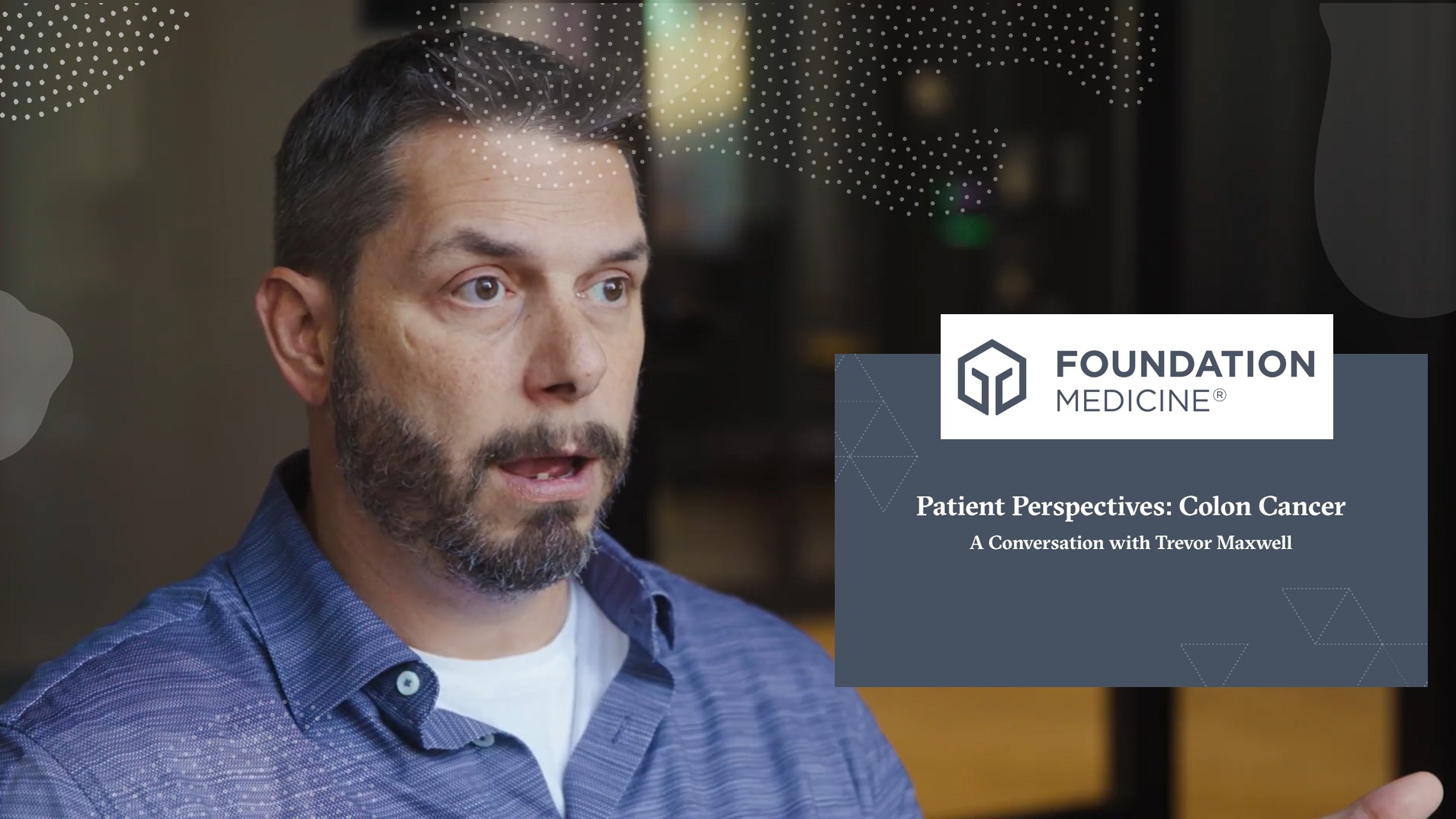
Diagnosed with Stage IV colorectal cancer at age 41, Trevor shares how genomic biomarker testing early in diagnosis helped inform his treatment journey – and why it can make a life-saving difference. This video is provided by our partners at Foundation Medicine.
MADP Precision Nutrition™ — Food as Medicine initiative, we welcome you to learn about the cancer-protective properties of cruciferous vegetables, including the unique properties of broccoli sprouts, from Jed Fahey, Sc.D., a member of the MADP Alliance.
Dr. Fahey previously served as an Assistant Professor at Johns Hopkins University School of Medicine, where he directed the Cullman Chemoprotection Center.
🔗 Learn More: Explore the Research of Dr. Jed Fahey.


MADP Expanding Access to Precision Medicine
Welcome You To Join Us – Closing the Gap in Cancer Care
